

A quiet reflection of the year
by Carol Broome
I like to close the year by reflecting on what’s happened in my life.
The highs and the lows. What went well, what didn’t quite go to plan, and what I’m proud of when I slow down enough to notice it.

The Power of Saying No and Choosing Yourself.
by Sharn Somasiri
You were not taught how to say no.
You were taught to be polite. To be helpful. To not upset anyone. To be agreeable. To put other people first. And somewhere along the way, saying no started to feel wrong.
When Your Nervous System Is Not Safe, Change Will Always Feel Hard
by Sharn Somasiri
Many people believe they struggle with consistency, confidence, or follow through because they lack discipline.
In reality, a nervous system that does not feel safe will always prioritise protection over progress.
Procrastination Is Not Laziness. It Is a Signal.
by Sharn Somasiri
Procrastination is often misunderstood.
It is rarely about poor time management or lack of ambition. More often, it is an emotional and behavioural pattern designed to protect you from discomfort, failure, or perceived risk.
Readiness Matters More Than Motivation
by Sharn Somasiri
Motivation is unreliable. Readiness is what creates change.
Many people say they want change, but far fewer are actually ready to take responsibility for it. This is why insight often turns into frustration instead of progress.
Why You Feel Stuck Even Though You Know What To Do
by Sharn Somasiri
Many people come to coaching believing they lack discipline, motivation, or clarity.
In reality, most capable adults already know what they should be doing. They know the habits they want to build, the boundaries they need to set, and the goals they want to pursue.
Why investing in coaching matters
by Carol Broome
When I first started offering coaching, I wasn’t entirely comfortable talking about money. Like many coaches, I wondered: shouldn’t transformation be accessible to everyone?
I still believe it should be.

Planting Seeds: The Unexpected Way Change Really Happens
by Helena Chan
Most people think transformation starts with a big decision: a career pivot, a breakup, a move, a bold announcement.
But in reality? Change often begins with something much smaller — almost invisible.
What Really Happens When You Heal the Inner Child
by Sharn Somasiri
Inner child work is often misunderstood. Many people imagine it as revisiting childhood memories or engaging in abstract visualisations. In reality, healing the inner child is one of the most powerful, neuroscience-backed ways to transform emotional patterns that have been repeating for decades.
You’re Not “Too Much”, You’re Carrying Too Much
by Sharn Somasiri
Many people have been told their whole lives that they are “too emotional,” “too sensitive,” “too intense,” or “too dramatic.” They’ve been shamed for their reactions, criticised for their feelings, or blamed for their depth.
Burnout Isn’t About How Much You Do, It’s About How Much You Carry
by Sharn Somasiri
Burnout is often described as a workload issue, working too hard, too fast, for too long.
But if that were true, everyone working a demanding job would burn out, and they don’t. Burnout is far more complex, and far more deeply rooted in the emotional body.
Breaking Toxic Cycles Starts With Understanding the Need Beneath the Pattern
by Sharn Somasiri
Most people try to break toxic cycles by changing their behaviour. They push themselves to stop people-pleasing, stop reacting, stop overthinking, stop choosing emotionally unavailable partners, stop shutting down and when it doesn’t work, they blame themselves.
Why You Struggle to Set Boundaries And Why It’s Not Your Fault
by Sharn Somasiri
People often assume that difficulty setting boundaries comes from being “too nice,” “too soft,” or “too sensitive.”
But none of that is true.
Struggling with boundaries has very little to do with personality and everything to do with how your nervous system adapted to keep you safe.
Anxiety Isn’t the Problem, It’s the Sign
by Sharn Somasiri
Most people spend years battling their anxiety, trying to silence it, outrun it, outthink it or control it. When none of that works, they assume something is wrong with them. But anxiety isn’t a character flaw, a personal failure, or a sign of weakness.
How To Break The Anxiety–Overthinking Loop
by Sharn Somasiri
Anxiety and overthinking operate like a self-fuelling cycle. The amygdala detects a potential threat ? the mind creates scenarios ? the body reacts ? the thoughts escalate. This loop continues until something interrupts it.
Rebuilding Your Identity After Emotional Exhaustion
by Sharn Somasiri
Emotional exhaustion doesn’t just drain your energy, it erodes your sense of self. When you’ve spent months or years surviving instead of thriving, you naturally lose touch with your preferences, dreams, and confidence.
The Hidden Cost Of People-Pleasing
by Sharn Somasiri
People-pleasing often starts as survival. As children, we learn that keeping others happy keeps us safe, emotionally and/or physically. As adults, those patterns become hardwired responses driven by the brain’s desire to avoid conflict, rejection, or discomfort.
How Burnout Sneaks Up on You And How to Reverse It
by Sharn Somasiri
Burnout rarely arrives in one dramatic moment. It creeps in gradually, often so quietly that you don’t notice the decline until your energy, motivation, or identity feels like it’s slipped away.
Burnout is a nervous-system condition, not a mindset issue.
Anxiety Isn’t The Enemy, It’s Your Body Sending You A Signal
by Sharn Somasiri
For most people, anxiety feels like something to be defeated, a malfunction in the brain, an inconvenience or a weakness to hide. However, anxiety is not a sign that you’re broken or weak. It is actually a biological communication system designed to protect you.
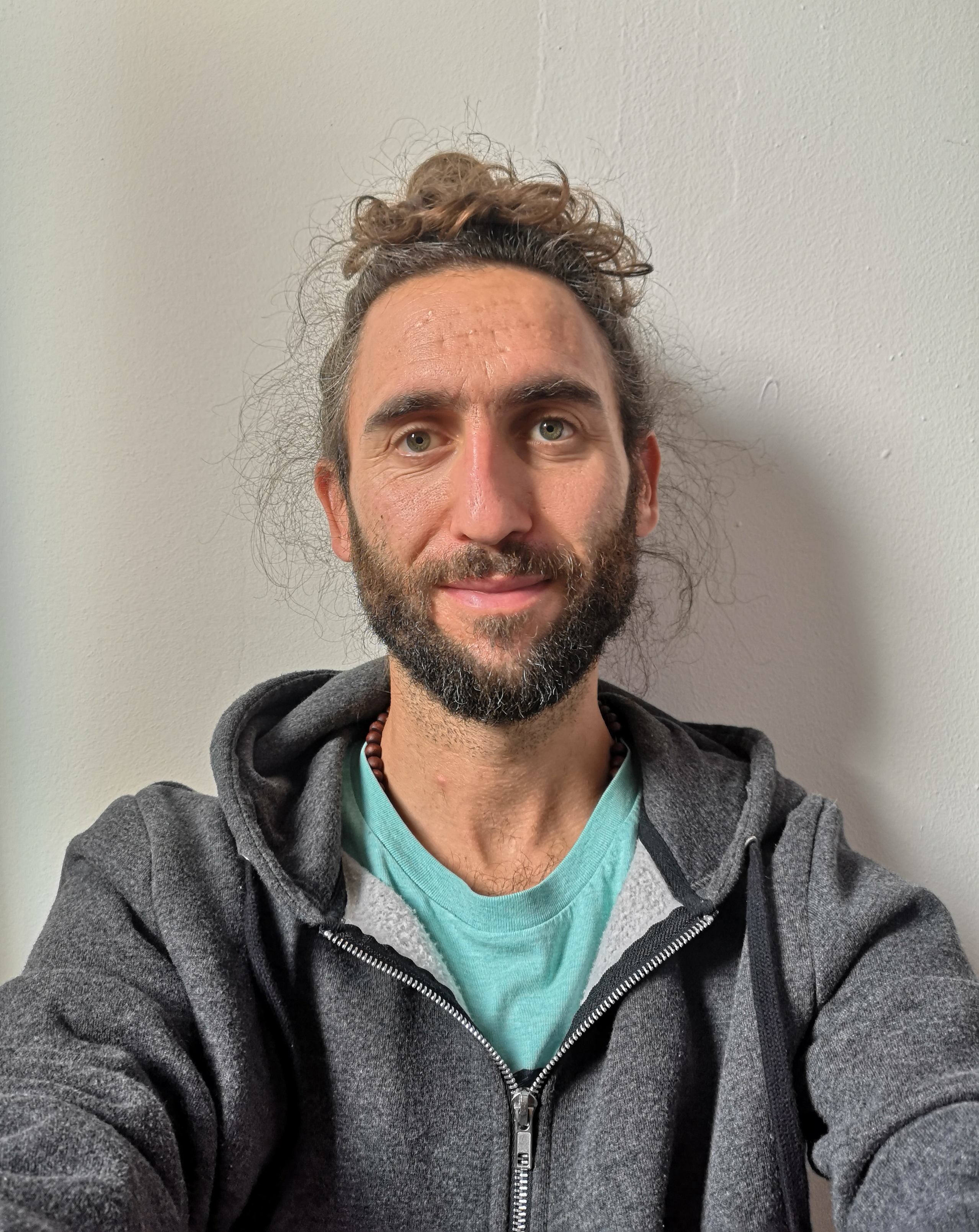
Do You Hide in the World — or in Yourself?
by Jorge Lara
We all have ways of coping. Some of us turn inward, into our thoughts, emotions, and reflections. Others turn outward—into constant activity, socializing, productivity, or distraction.
But what happens when either way becomes a hiding place? When being too inward makes the world feel distant—or when being too outward makes us strangers to ourselves?
This post explores the balance (or imbalance) between our inner and outer lives, and how we might reconnect with both.