
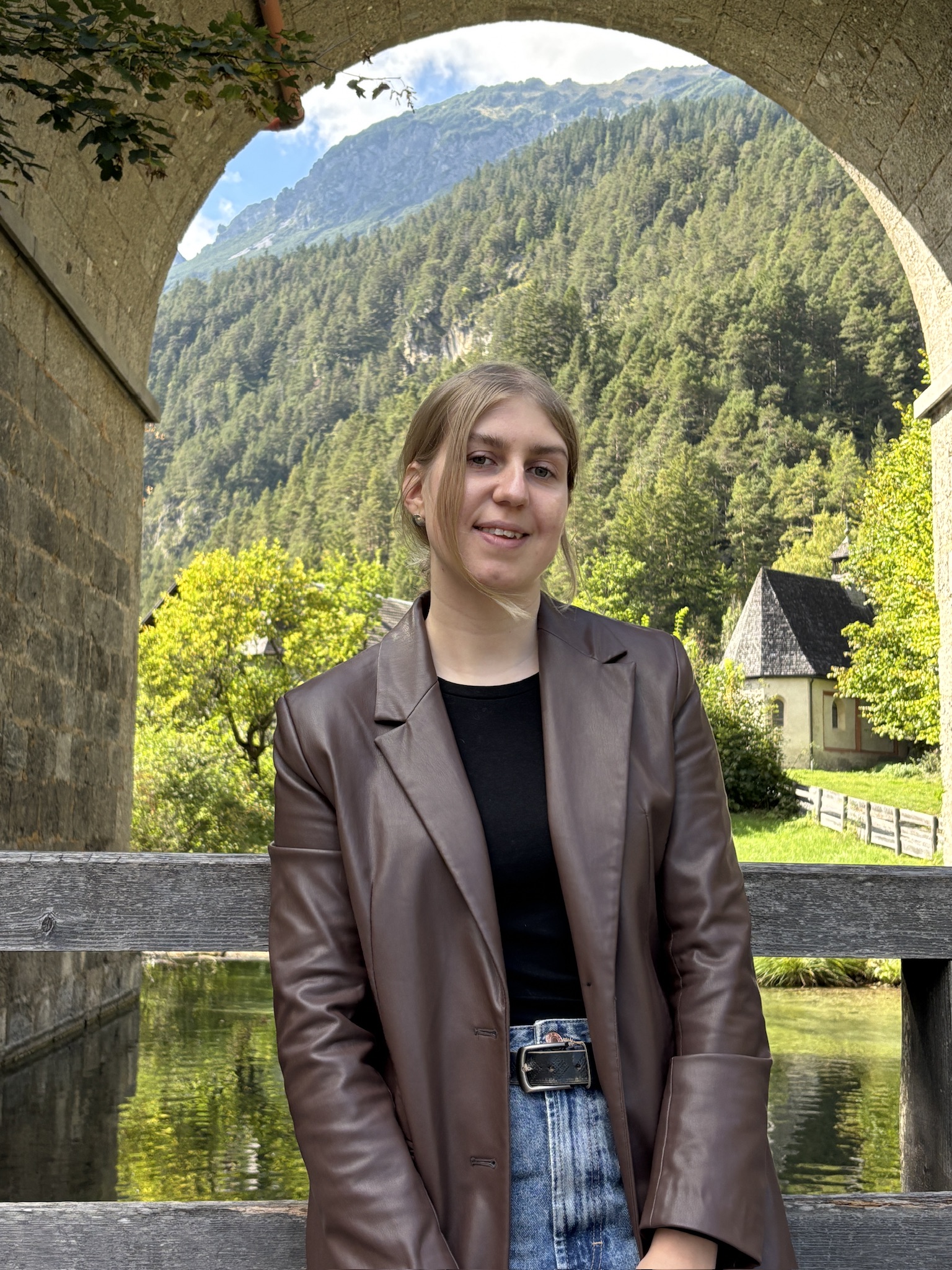
 by Palina Sezdzina
For most of my life, being strong felt like the right thing to do.
When I moved to Germany, I didn't really have another option.
There were documents to figure out, a new language to navigate, a career to build, and a life to create from scratch.
So I did what I had always done.
I kept going.
I solved problems.
I adapted.
I stayed positive.
I told myself everything would work out.
And in many ways, it did.
But looking back, I realize that my relationship with strength started much earlier.
Growing up, I learned that being emotional wasn't always welcome.
Crying felt uncomfortable.
Showing vulnerability felt unsafe.
Being "the strong one" felt easier.
So strength slowly became more than a skill.
It became an identity.
The problem is that when strength becomes your identity, it can be difficult to know what to do when you're struggling.
You keep carrying things alone.
You keep saying, "I'm fine."
You keep pushing through.
Not because you're okay.
But because that's what you've always done.
For a long time, I thought resilience meant never falling apart.
Now I see it differently.
I think resilience is also allowing yourself to feel what you feel.
To admit when something is hard.
To ask for support.
To stop treating vulnerability as weakness.
One of the biggest lessons of my adult life has been realizing that strength and softness can exist together.
I can be capable and emotional.
Independent and supported.
Resilient and vulnerable.
I no longer want a version of strength that requires me to disconnect from myself.
Because the strongest people I know are not the ones who never struggle.
They are the ones who have learned that being human doesn't make them weak.
It makes them whole.
If you recognize yourself in this, maybe you don't need to push harder.
Maybe you simply need a space where you don't have to carry everything alone.
Log in or Register to contact this coach.
Click here view more info about this coach, Palina Sezdzina